 Sarra
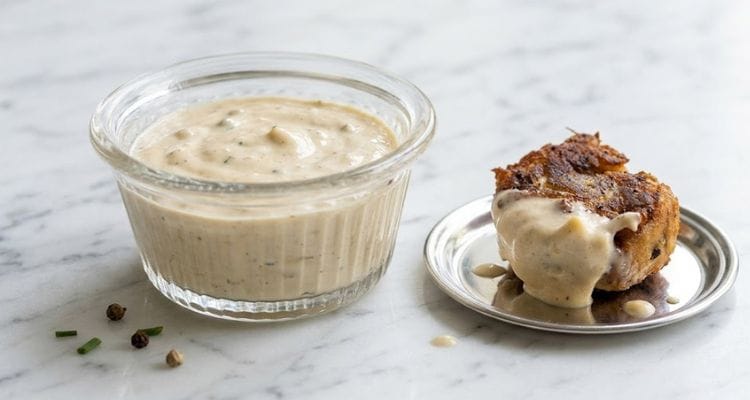
Sarra Ina Garten’s tartar sauce recipe is a tangy, briny sauce of mayonnaise, cornichons, capers, coarse-grained mustard, and champagne vinegar. You pulse it together in a food processor in about 5 minutes, no cooking needed. It makes three-quarters of a cup, enough to serve six alongside fish.
This recipe is from Ina’s Barefoot Contessa episode “Good Catch,” where she serves it with fish and chips. She made a nearly identical sauce in her 1999 cookbook as a rémoulade, which she called “like tartar sauce, but with much more flavor.” What sets hers apart is champagne vinegar, which gives it a brighter, more delicate tang than the usual lemon or pickle juice.
The trick is to pulse the sauce, not puree it. Ina uses a food processor and stops as soon as the pickles and capers are finely chopped and mixed in. Run it too long and the bits dissolve into a thin, smooth paste, losing the texture that makes tartar sauce what it is.
Ina Garten Tartar Sauce Recipe
Course: SaucesCuisine: AmericanDifficulty: Easy6
servings5
minutes135
kcalA sharp, chunky tartar sauce that beats anything from a jar. Make it ahead for fish and chips, fried shrimp, or crab cakes, and it holds in the fridge for several days.
Ingredients
-
1/2 cup (115 g) good mayonnaise
-
2 tablespoons small-diced pickles or cornichons
-
1 tablespoon Champagne or white wine vinegar
-
1 tablespoon capers, drained
-
1 teaspoon coarse-grained mustard
-
Pinch of kosher salt
-
Pinch of freshly ground black pepper
Directions
-
Combine: Put the mayonnaise, pickles, vinegar, capers, mustard, salt, and pepper in a food processor or mini chopper fitted with a steel blade.
-
Pulse: Pulse several times, just until the pickles are finely chopped and everything is well mixed but not pureed.
- Chill or serve: Serve right away, or refrigerate until you need it.
Notes
- Cornichons give the best result. They are firmer and more tart than regular dill pickles, so they keep their bite in the sauce.
Use a coarse-grained mustard, not smooth Dijon. The whole seeds add little pops of texture and a gentler mustard flavor.
Make it a few hours ahead if you can. The capers and pickles need time to meld into the mayonnaise, and the flavor settles as it rests.
FAQs
What is the difference between tartar sauce and remoulade?
They are close cousins, both creamy and built on mayonnaise with pickles and mustard. Ina actually makes both.
Her tartar sauce adds capers for extra brininess. Remoulade is traditionally served with a celery root salad and often carries more mustard, so it tends to taste sharper.
What do you serve with tartar sauce?
It is the classic partner for fried fish, especially a crispy fish sandwich or fried calamari. The cool, tangy sauce cuts through the greasy coating.
For shrimp, a cocktail sauce is the more traditional dip, and for a creamier option with crab or crudités, a Goddess Dressing Recipe works well too.
Can I make tartar sauce without a food processor?
Yes, easily. Just finely chop the pickles and capers by hand, then stir everything together in a bowl until combined.
The food processor only saves time and gives an even chop. By hand, you get a slightly chunkier sauce, which many people prefer anyway.
How long does homemade tartar sauce last?
Stored in a sealed container in the fridge, it keeps for five to seven days. The mayonnaise is what sets the limit.
Give it a quick stir before serving, since a little liquid from the pickles and capers can settle at the bottom.
Can I add lemon or other ingredients to tartar sauce?
You can. Ina keeps hers simple, but a squeeze of lemon juice or some zest brightens it up nicely.
Fresh dill, minced shallot, or a dash of hot sauce are all classic additions. Add them a little at a time so you do not bury the briny pickle flavor.
