 Sarra
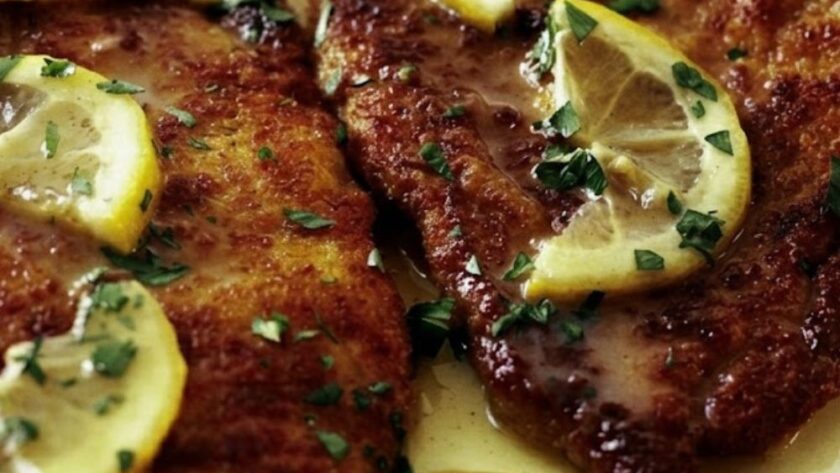
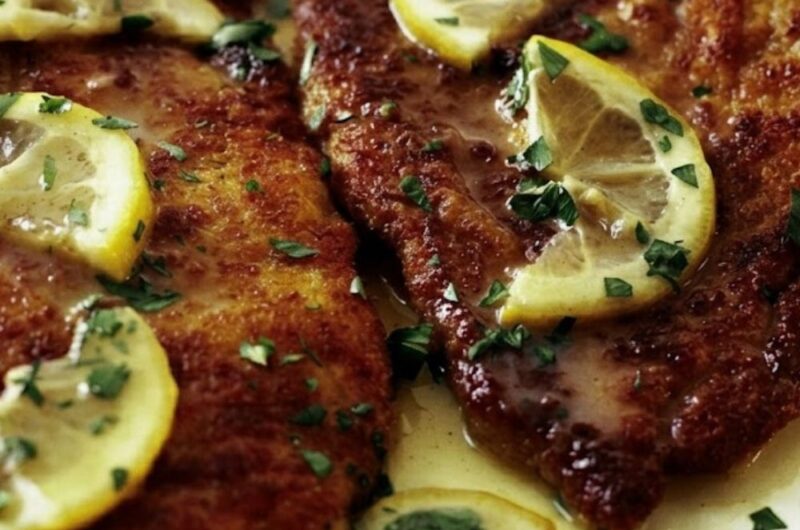
Sarra Ina Garten’s chicken francese is a pan-fried chicken cutlet dipped in egg and bread crumbs, finished with a lemon butter and white wine sauce. It serves 4 and takes about 30 minutes.
Ina calls this her Chicken Piccata in Barefoot Contessa at Home, inspired by the veal piccata at The Palm restaurant in East Hampton. She says “once I got the system down for the sauce, I made this over and over again.” Her version skips the capers found in traditional piccata and uses an egg dip before the bread crumbs, which makes it closer to a classic Italian-American francese.
The sauce comes together in 2 minutes while the chicken finishes in the oven. Ina melts butter, adds lemon juice and white wine, and boils it down by half so it thickens into a glossy glaze. Skip the reduction and you get thin, watery liquid instead of a sauce that clings to the chicken.
Ina Garten Chicken Francese Recipe
Course: DinnerCuisine: Italian, AmericanDifficulty: Easy4
servings15
minutes15
minutes420
kcalIna’s Chicken Piccata from Barefoot Contessa at Home, with egg-dipped, bread crumb-coated cutlets and a 2-minute lemon butter wine sauce. Inspired by The Palm in East Hampton and ready faster than you can set the table.
Ingredients
-
4 split (2 whole) boneless, skinless chicken breasts
-
Kosher salt and freshly ground black pepper
-
1 cup (130g) all-purpose flour
-
2 extra-large eggs
-
1 1/2 cups (170g) seasoned dried bread crumbs
-
Good olive oil
-
3 tablespoons unsalted butter, at room temperature
-
1/3 cup (80ml) freshly squeezed lemon juice (2 lemons), lemon halves reserved
-
1/2 cup (120ml) dry white wine
-
Sliced lemon, for serving
-
Chopped fresh flat-leaf parsley, for serving
Directions
-
Pound the chicken: Preheat the oven to 400F (200C). Line a sheet pan with parchment paper. Place each breast between 2 sheets of parchment and pound to 1/4 inch thick. Season both sides with salt and pepper.
-
Set up the dredge: Mix the flour, 1 teaspoon salt, and 1/2 teaspoon pepper on a shallow plate. Beat the eggs with 1 tablespoon water on a second plate. Place the bread crumbs on a third plate.
-
Coat the chicken: Dip each breast in flour first, shake off the excess, then dip in egg, then press into the bread crumbs.
-
Pan-fry: Heat 2 tablespoons olive oil in a large skillet over medium to medium-low heat. Cook 2 breasts for 2 minutes per side until golden. Transfer to the sheet pan. Add more oil and cook the remaining 2 breasts. Place on the sheet pan and bake for 5 to 10 minutes while you make the sauce.
-
Make the sauce: Wipe out the skillet with a dry paper towel. Melt 1 tablespoon butter over medium heat. Add the lemon juice, white wine, reserved lemon halves, 1/2 teaspoon salt, and 1/4 teaspoon pepper. Boil over high heat until reduced by half, about 2 minutes. Off the heat, add the remaining 2 tablespoons butter and swirl until combined. Discard the lemon halves.
- Serve: Place one breast on each plate. Spoon the sauce over the top. Finish with sliced lemon and a sprinkle of fresh parsley.
FAQs
What is the difference between chicken francese and chicken piccata?
Traditional francese dips the cutlet in egg batter before frying, and the sauce is lemon and butter with no capers. Traditional piccata uses flour only and adds capers to the sauce.
Ina’s recipe bridges both. She dips in egg like a francese, adds bread crumbs for extra crunch, and makes the sauce without capers. The result is closer to francese than piccata, even though she calls it piccata in the cookbook.
Why pound the chicken to 1/4 inch thick?
Thin cutlets cook fast and evenly so the bread crumb coating turns golden before the inside dries out. A thick breast takes too long in the pan and the coating burns before the chicken is cooked through.
Place each breast between two sheets of parchment and use a meat mallet or the bottom of a heavy pan. Pound from the center outward so the thickness stays even across the whole cutlet.
Why finish the chicken in the oven?
The 2 minutes per side in the pan is just enough to brown the coating. The oven finishes cooking the chicken through while you make the sauce.
This is Ina’s trick for keeping the coating crispy. If you cooked the chicken all the way through in the pan, you’d need lower heat and more time, which makes the bread crumbs absorb too much oil and go soggy.
Can you use this recipe for veal instead of chicken?
Yes. Ina says she was inspired by the veal piccata at The Palm restaurant. Veal cutlets are naturally thin so you may not need to pound them.
Cook veal the same way but reduce the pan time to about 90 seconds per side because veal is more tender and cooks faster. The sauce stays exactly the same.
How do you keep the coating from falling off?
Three things make it stick. First, pat the chicken completely dry before dredging. Moisture prevents the flour from adhering. Second, shake off the excess flour before the egg dip so you don’t get a gummy layer. Third, press the bread crumbs firmly onto both sides.
Let the coated cutlets rest on a wire rack for 5 minutes before frying. This sets the coating so it holds together in the pan instead of sliding off when you flip.
