 Sarra
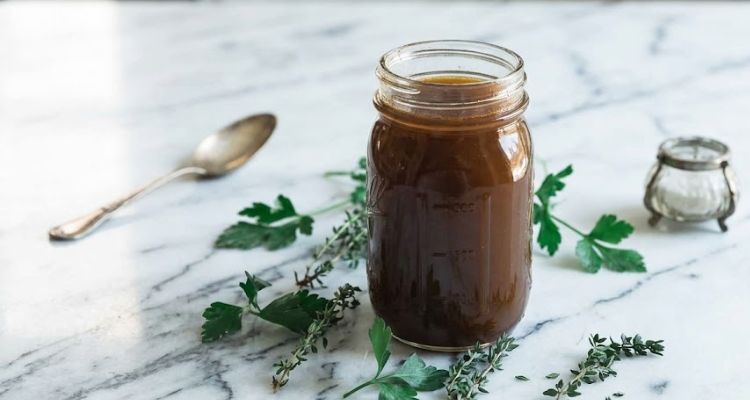
Sarra Ina Garten’s beef stock recipe is a deep, rich homemade stock built from roasted marrow bones, meaty neck bones, and short ribs on the bone. Red wine, tomato paste, garlic, and a generous pile of carrots, celery, and onions go in to round it out and build color. One batch makes a full five quarts, and the whole thing runs about three and a half hours with most of it hands-off.
This recipe comes straight from Ina’s Cook Like a Pro (2018), tucked into her Pro Basics chapter. She has no time for canned beef stock and built this so you can fill your freezer with the real thing. As she puts it, the canned kind “never has the deep, rich flavor of roasted beef bones simmered with vegetables, garlic, and red wine.”
The whole recipe hinges on roasting everything hard before it ever hits the water. You brown the bones at 425F (220C) for 45 minutes, then roast the vegetables right in the rendered beef fat until they color. Skip that step and you get pale, watery stock that tastes flat instead of deep and beefy.
Ina Garten Beef Stock Recipe
Course: SaucesCuisine: AmericanDifficulty: Medium4
servings20
minutes3
hours40
kcalA roasted beef bone stock that freezes beautifully for up to six months. Make one big batch and you have real homemade stock ready for soups, stews, and braises all winter.
Ingredients
-
3 lbs (1.4 kg) marrow bones, cut in 2-inch (5 cm) pieces
-
2 lbs (900 g) beef neck bones, cut in 2-inch (5 cm) pieces
-
2 lbs (900 g) short ribs on the bone, cut in 2-inch (5 cm) pieces
-
6 carrots, unpeeled and cut in 3/4-inch (2 cm) dice
-
4 large celery stalks, chopped
-
3 yellow onions, chopped
-
1 head garlic, unpeeled and halved horizontally
-
2 cups (480 ml) dry red wine
-
6 oz (170 g) tomato paste
-
3 bay leaves
-
20 sprigs fresh parsley
-
15 sprigs fresh thyme
-
1 tablespoon whole black peppercorns (not ground)
-
Kosher salt and freshly ground black pepper
Directions
-
Roast the bones: Heat the oven to 425F (220C). Spread the marrow bones, neck bones, and short ribs in a large roasting pan. Roast 45 minutes, turning now and then, until deeply browned.
-
Move the bones: Transfer the browned bones to a 16 to 20-quart stockpot. Leave all the rendered fat behind in the roasting pan.
-
Roast the vegetables: Add the carrots, celery, onions, and garlic to the pan and toss them in the fat. Roast 15 to 20 minutes, until softened and lightly colored, then add them to the stockpot.
-
Deglaze with wine: Pour the red wine into the empty roasting pan. Set it over medium heat and scrape up every brown bit with a wooden spoon, then pour it all into the stockpot.
-
Build the pot: Add the tomato paste, bay leaves, parsley, thyme, peppercorns, and 4 tablespoons salt. Pour in 6 quarts water.
-
Simmer: Bring to a boil, then lower the heat. Simmer 2 hours, skimming the fat off the top now and then. Stir in 1 teaspoon ground pepper and taste for salt.
-
Strain: Let the stock cool until you can handle it safely. Strain through a colander or sieve and throw out the solids.
- Store: Cool completely, then skim off the fat. Pack into quart containers. Keep in the fridge up to a week or freeze up to 6 months.
Notes
- Ask your butcher to cut the marrow and neck bones into 2-inch pieces for you. It saves you fighting with a heavy cleaver at home.
You need a genuinely huge pot, 16 to 20 quarts. A regular soup pot will not hold the bones, vegetables, and 6 quarts of water at once.
Tomato paste does the heavy lifting on color and body, so do not skip it. It deepens the stock to that classic brown and adds a savory backbone.
FAQs
Why does Ina use three kinds of beef bones?
Each bone does a different job. Marrow bones give body and richness, neck bones bring meaty flavor, and short ribs on the bone add deep beefiness.
Together they build a fuller stock than any single bone could. Use only one type and the stock comes out thinner and less complex.
Do I have to use red wine in beef stock?
You can leave it out, but you lose a layer of depth. The wine deglazes the roasting pan and pulls up the browned bits that hold the most flavor.
If you skip it, deglaze with a splash of water instead. That way none of that roasted flavor gets left behind in the pan.
Why is my beef stock cloudy?
Cloudy stock usually means it boiled too hard. A rolling boil churns the fat and proteins back into the liquid instead of letting them rise to the top.
Keep it at a slow, lazy simmer with just a few bubbles breaking the surface. Skim as you go and you get a cleaner result.
Should homemade beef stock turn to jelly when cold?
Yes, and that is exactly what you want. The wobble comes from gelatin that the bones release during the long simmer.
A stock that sets like jelly in the fridge means you pulled real body from the bones. It melts right back to liquid the moment you heat it.
What can I make with homemade beef stock?
This is the base for French onion soup, beef stew, and rich pan gravies. It also makes a far better braising liquid for short ribs or pot roast than anything from a can.
Use it anywhere a recipe calls for beef broth and the dish tastes noticeably deeper.
