 Sarra
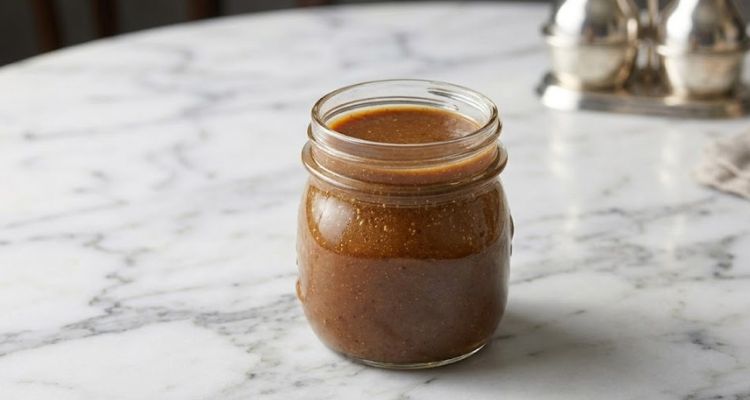
Sarra Ina Garten’s balsamic dressing recipe is a simple, bold vinaigrette of good olive oil, balsamic vinegar, Dijon mustard, and fresh garlic. You whisk it together in about 5 minutes with no cooking. It makes about a third of a cup, and it doubles easily for a bigger salad.
This dressing comes from Ina’s Broccolini and Balsamic Vinaigrette in Barefoot Contessa at Home (2006). She credits the recipe to her friend and business partner Frank Newbold, who she jokes claims he cannot cook. What sets it apart is how vinegar-forward it is, with more balsamic than a standard vinaigrette, plus Dijon and garlic for a sharp edge.
Because the dressing is so simple, the balsamic vinegar carries it. A good, aged balsamic is naturally sweet and syrupy, so you do not need to add any sugar. Use a cheap, thin one and the dressing turns sharp and sour, with nothing to round it out.
Ina Garten Balsamic Dressing Recipe
Course: SaucesCuisine: AmericanDifficulty: Easy3
servings5
minutes175
kcalA punchy balsamic vinaigrette that started as a dressing for broccolini. It is just as good on a green salad, drizzled over roasted vegetables, or spooned over sliced tomatoes and mozzarella.
Ingredients
-
1/4 cup (60 ml) good olive oil
-
1 1/2 tablespoons balsamic vinegar
-
1/2 teaspoon Dijon mustard
-
1 teaspoon minced garlic
-
1 1/2 teaspoons kosher salt
-
1/2 teaspoon freshly ground black pepper
Directions
-
Whisk it together: In a small bowl, whisk together the olive oil, balsamic vinegar, Dijon mustard, garlic, salt, and pepper until it comes together.
- Use or store: Use right away on salad or vegetables, or refrigerate. Whisk again before serving if it separates.
Notes
- For a thicker, more stable dressing, whisk the oil in slowly at the end instead of all at once. That gives the Dijon a chance to emulsify it.
Mince the garlic very finely, or grate it. Big pieces give sharp, raw garlic bites instead of an even background flavor.
Let the dressing sit for about 10 minutes before using. The garlic and Dijon soften into the balsamic, so it tastes more rounded.
FAQs
What is the ratio of oil to vinegar in balsamic dressing?
The classic vinaigrette ratio is three parts oil to one part vinegar. Ina’s is bolder, closer to two and a half to one, so the balsamic really comes through.
If it tastes too sharp, add a little more oil to soften it. Or if you would rather have a creamy dressing than a vinaigrette, a Green Goddess Dressing Recipe is the way to go.
What do you put balsamic dressing on?
It is excellent on an arugula salad with shaved Parmesan, where the bold balsamic stands up to the peppery greens.
It also works as a marinade for chicken or portobello mushrooms, or drizzled over fresh strawberries with a crack of black pepper. For a sweeter dressing made for fruit salad, a Poppy Seed Dressing is the better match.
Can I make balsamic dressing without mustard?
You can, but the Dijon does double duty here. It adds a little sharpness and, more importantly, helps the oil and vinegar stay mixed.
Without it, the dressing separates faster, so you will need to whisk or shake it again right before serving.
How long does homemade balsamic dressing last?
It keeps well, up to two weeks in a sealed jar in the fridge, since there is no dairy in it.
One thing to watch is the raw garlic, which gets stronger over time. The olive oil also firms up cold, so let it sit out and shake before using.
Can I use balsamic glaze instead of balsamic vinegar?
Not as a straight swap. Balsamic glaze is balsamic vinegar cooked down with sugar, so it is thick, syrupy, and much sweeter.
If you only have glaze, thin it with a little water or extra oil and cut back on any added sweetness. The texture will still be heavier.
